Saltar al contenido
G-CERTI LATAM System Service
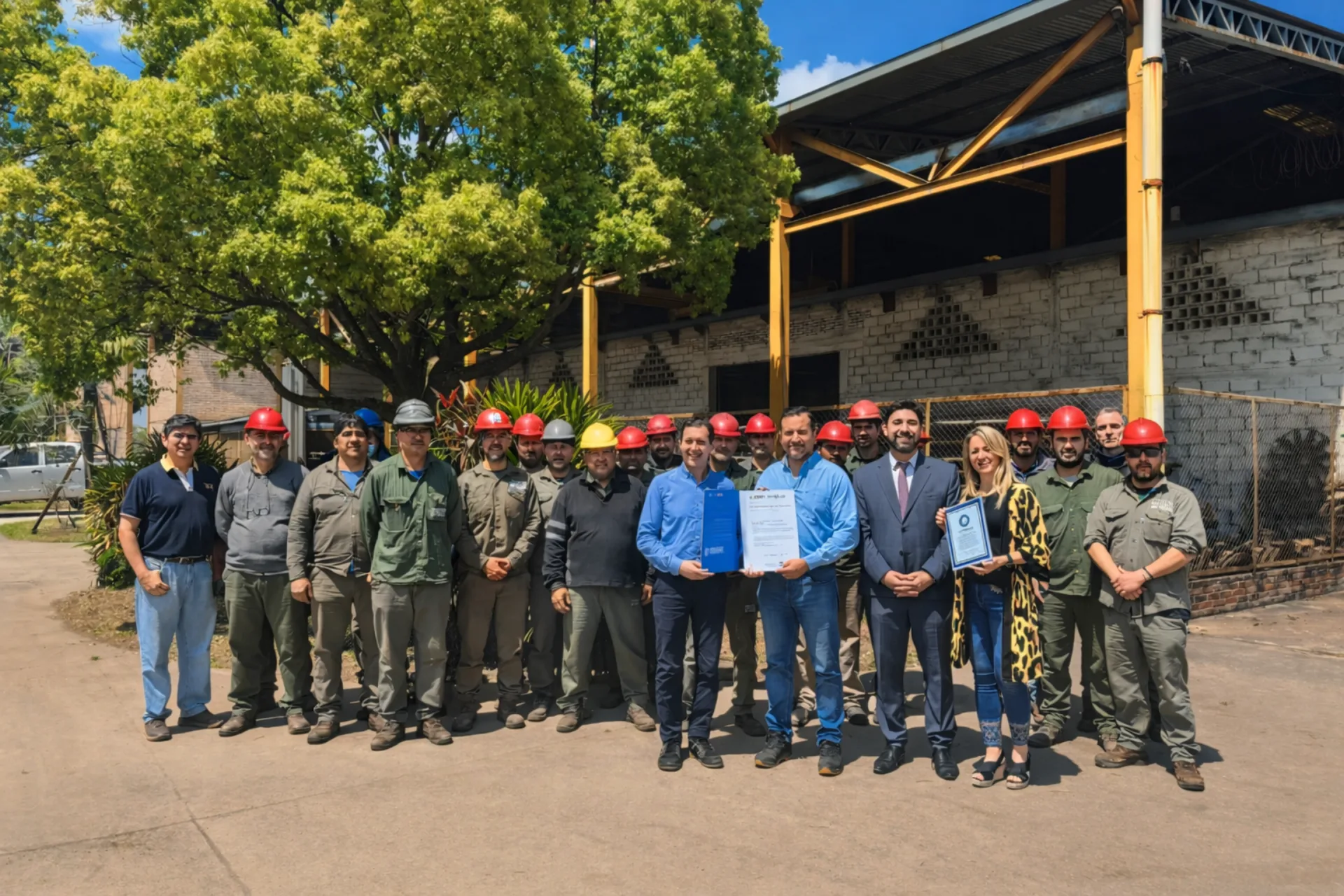
Third-party audit at an industrial plant for management systems certification

G-CERTI LATAM · Certification

Start an ISO certification process with regional backing and verifiable scope.

G-CERTI LATAM guides and manages regional certification requests. The issuance of a certificate depends on the applicable scope, the third-party audit, the technical review and an independent decision.

Certification is not automatic: it depends on the scope, the evidence, the audit outcome and the technical decision.

What certifying means

Certifying is having an independent third party back, with rigor and impartiality, what your organization sustains about its management. The result is a certificate that anyone can verify: a claim turned into a provable fact that opens markets, tenders and trust across your entire value chain.

01

Certification is

  • An independent third-party audit over evidence.
  • A technical decision taken by a body separate from the audit team.
  • A certificate with a defined scope and known validity.
  • A record publicly verifiable by any third party.
02

What is left out

  • The implementation and consultancy of the system: these are the responsibility of the organization or of a third party independent of G-CERTI.
  • The training of people: it follows a separate route and delivers an academic credential of the person; the organization is certified through audit.
  • An automatic granting: certification depends on the audit outcome and on the technical decision.

Reference standards

Each standard covers a different management system. The page for each one should be read together with the status published in the Trust Center.

The availability of accredited certification depends on the current published scope. Before communicating a standard as accredited, verify the applicable source in the Trust Center.

How the certificate is reached

The process, step by step

Expand whatever you want to review: the stages, what to prepare, what you receive and how it differs from implementing or training.

The processThe ten stages, from the request to verification
  1. 01

    Request

    The organization submits its inquiry and the initial data of the management system.

  2. 02

    Scope definition

    Which sites, processes and activities fall within the scope to be certified is delimited.

  3. 03

    Technical quotation

    Based on the defined scope, an audit proposal tailored to the organization is prepared.

  4. 04

    Stage 1 audit

    Documentary and readiness review: confirms that the system is ready to be audited in depth.

  5. 05

    Stage 2 audit

    On-site audit over evidence: the actual implementation of the management system is verified.

  6. 06

    Technical review

    A reviewer independent of the audit team analyzes the findings and the evidence gathered.

  7. 07

    Certification decision

    A technical body decides on the granting, separate from whoever audited, to preserve impartiality.

  8. 08

    Certificate issuance

    With a favorable decision, the certificate is issued, with its scope, validity and reference standard.

  9. 09

    Public verification

    The certificate remains available for consultation and verification by any interested third party.

  10. 10

    Maintenance and renewal

    Periodic surveillance audits and recertification sustain the validity of the certificate over time.

Certification is not automatic: it depends on the scope, the evidence, the audit outcome and the technical decision.

Before you startWhat to prepare and what your organization receives

What to prepare

  • Data of the organization and of the sites to include in the scope.
  • Activities, processes and products or services that the system covers.
  • Reference standard or standards of interest.
  • Implementation status of the management system.
  • System documentation available for review.
  • Technical contact person to coordinate the audit.

What the organization receives

  • An audit proposal built on the defined scope.
  • A two-stage audit process with verifiable criteria.
  • Audit report with findings and, where applicable, non-conformities.
  • Certification decision taken by an independent technical body.
  • Certificate with scope, validity and reference standard, when the decision is favorable.
  • Record publicly verifiable by third parties.
RoutesCertification, implementation and training are not confused
CertificationImplementationTraining
What it solvesDemonstrates to third parties that the management system complies with the standard.Builds and puts the system into operation within the organization.Develops people's competencies in the standard and its auditing.
Who provides itA third-party process with technical review and an independent decision.The organization itself or a consultant external to G-CERTI.A training entity.
ResultCertificate of the organization, with scope and validity.Management system in operation.Academic credential of the person.
Regional roleG-CERTI LATAM guides the request and routes the process according to the applicable scope.Does not design or correct the system that will be audited.Academy trains professionals on a route separate from the certification of organizations.

Frequently asked questions

How much does it cost to certify?

The scope, the number of sites and the complexity of the system determine the audit effort. That is why the proposal is prepared on a tailored basis. Contact the regional team to define the scope and receive institutional guidance.

Does G-CERTI implement the management system?

No. Certification requires separation from consultancy. Designing, operating or advising on the system is the responsibility of the organization or of a third party independent of G-CERTI. That separation preserves the impartiality of the audit.

What is the scope of the certification?

It is the delimitation of which sites, processes, activities and products or services are covered by the certificate. It is defined at the outset and stated in the issued certificate.

Is certification automatic if I pay for the audit?

No. Certification depends on the scope, on the evidence presented, on the audit outcome and on a technical decision taken by a body independent of the audit team.

In which standards does G-CERTI certify?

G-CERTI LATAM receives regional requests for standards such as ISO 9001, 14001, 45001, ISO/IEC 27001, ISO 22000 and ISO 37001. Availability and accredited status must be verified against the current scope published in the Trust Center.

Under which accreditation does G-CERTI work?

The public source of scope is IAS (International Accreditation Service) (MSCB-113). The accreditation must be interpreted solely within the current published scope; not all standards or services should be communicated as accredited.

How long does the certificate last?

The certificate has a defined validity and is sustained through periodic surveillance audits. At the end of the cycle, a recertification renews its validity.

Does a training course certify my organization?

No. Training develops people's competencies and delivers an academic credential. The certification of the organization is a distinct audit process, on separate routes.

How do I verify a certificate issued by G-CERTI?

Each certificate remains available for public consultation. Any third party can verify its validity and scope from the verification page.

How do I start?

Contact the regional team describing your organization and the standard of interest. From there the preliminary scope is defined and the next institutional step is guided.

Certify the organization

Contact the regional team to define the preliminary scope and applicable route.

Iniciar certificación

Verify a certificate

Check the validity and scope of a certificate issued by G-CERTI.

Verify certificate

Train the people

Develop competencies in the standards and their auditing through the academy.

Discover the academy
+54 9 11 2299-2087