ISO/IEC 27001 · Information security
It requires assessing and treating information security risks and declaring the applicability of the Annex A controls.
- Sectors
- Technology · Financial services · Telecommunications
- Edition
- ISO/IEC 27001:2022
We use cookies needed for the site to work and, if you accept, others to measure use and improve our communications. You can change your choice at any time. See the details
ISO/IEC 42001:2023 certification is available.
 Illustrative image
The issuing body and applicable conditions are identified in the proposal and certification agreement.
Initial certification follows these steps.
What you are asked for, what activities you carry out, and at which sites and in which country you operate.
In writing, sized to the standard, the activities, the sites and the country.
The assigned team assesses the documentation and the operation with evidence.
A function separate from the audit team decides. The certificate can be checked by its code.
Continuity of the cycle is agreed for your case.
Issuance depends on the audit and an independent decision.
Proporciona requisitos para establecer, implementar, mantener y mejorar un sistema de gestión de inteligencia artificial. La certificación está disponible mediante solicitud de evaluación de alcance y propuesta; el organismo emisor se identifica antes de contratar.
ISO/IEC 42001 puede relacionarse con el AI Act y otros marcos regulatorios, pero no reemplaza la evaluación legal aplicable. La certificación está disponible mediante solicitud de evaluación de alcance y propuesta; el organismo emisor se identifica antes de contratar.
It may be relevant for organizations that develop, provide or use AI systems and need to organize responsibilities, risks, impacts and evidence. Applicability depends on the context, the uses and the defined scope.
The time depends on the scope, the AI systems included, existing governance and the evidence available. If the organization already has ISO/IEC 27001, part of the management structure can serve as an internal reference.
Both standards follow a compatible management system structure. Integrating them can reduce duplication when the scope and processes allow it; the actual effort depends on the context and the available evidence.
Yes, it can be relevant when an organization uses its own or third-party AI systems. Applicability and scope depend on the use, the context, the responsibilities and the associated impacts.
There is no list price: the proposal is sized on standard, scope, sites, headcount, activities, system complexity and delivery mode. The request is reviewed first and the proposal is then issued.
Findings are documented and classified. The organization submits correction, root cause and corrective action with evidence; the audit team evaluates it and only then does the file go to decision.
A competent function separate from the audit team. Those who audit do not decide, and no outcome is anticipated before that review.
In the public certificate register, by code.
It requires assessing and treating information security risks and declaring the applicability of the Annex A controls.
It requires analysing the impact of a disruption, defining continuity strategies and testing them through exercises.
It requires a service management system that plans, delivers and improves the IT services agreed with the customer.
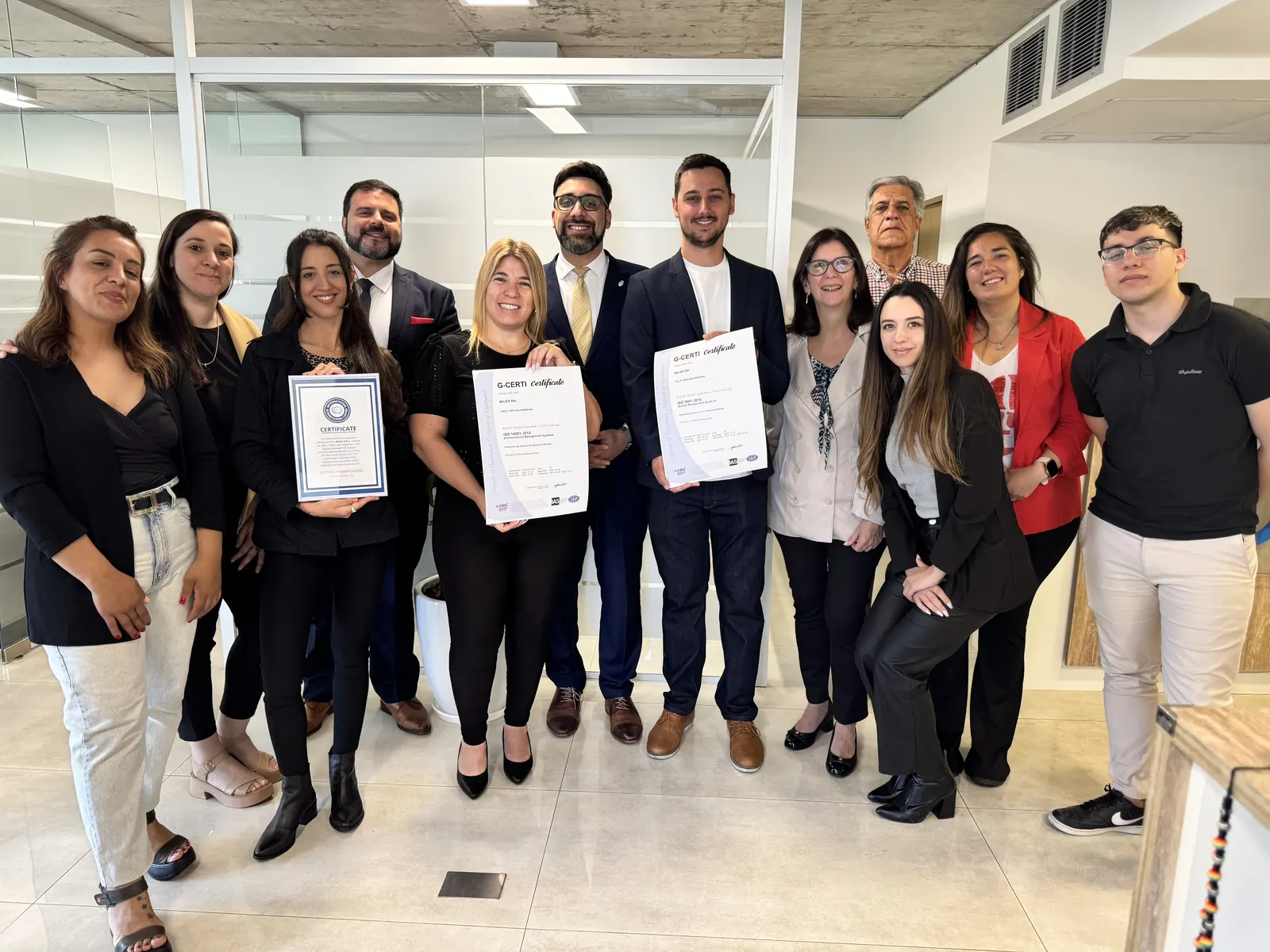
The proposal arrives in writing, with the standard, the scope and the timeline.